The Danger Zone

30 July 2025

Is the term Danger Zone misleading?

I've been reading comments by Euan MacAuslan and Richard Sprenger from Highfield regarding the 'Danger Zone' and how the term might be misleading.
 
To explain (as far I understand):
 
Danger is the possibility that harm could occur. So, from -2°C to 55°C (Listeria to Bacillus Cereus) harm COULD occur. It would therefore be more accurate to call this range the danger zone.
 
Risk is the likelihood that harm will occur. 
So, between 5°C/8°C to 63°C it's more LIKELY harm will occur. This range should, therefore, technically be called the risk zone.

There’s also an argument the risk zone should be narrowed further to 20°C to 50°C, when most pathogenic bacteria multiply (mesophiles are 20°C to 45°C).

The definition of 'Danger Zone' differs from country to country.
 
Google tells me USA is 4°C to 60°C.
(Although Google also says it's 8°C to 60°C).
 
Even in Britain, some sources quote 5°C to 63°C and some 8°C to 63°C.
This validates the criticism a ‘Danger Zone’ isn’t based on science. It's the range of temperatures more likely to result in food poisoning and prosecution.
 
In my opinion (for what it’s worth), I’m not sure the use (or misuse) of the term really matters.

If the focus is on meeting legal requirements and reduce the risk, isn’t that a good thing? And perhaps ‘Danger Zone’ is the most effective term in achieving this compliance and safety.


The term has been around a long time, and it’s broadly understood by most food handlers. To use different terms might add to the confusion.

Everyone understands the word danger, less so the word risk. ‘Danger’ is an emotive word, evoking feelings of fear, and making it a powerful tool for persuasion.

A sign saying 'Danger, keep out' carries more weight than 'Risk, keep out'.

Personally, I prefer to use the range 8°C to 63°C when describing the danger zone as it ties in with legal requirements. Why complicate things by adding additional temperatures?

That said, for in-house courses I can’t see the issue with changing the parameters to suit specific policies. We are clearly emphasising what needs to be done to provide safe food and comply with policy/law.

Perhaps it’s only misleading from an academic stance and not a practical one. Or maybe, because my background is practical and not academic, I’m being influenced by my own experience bias.

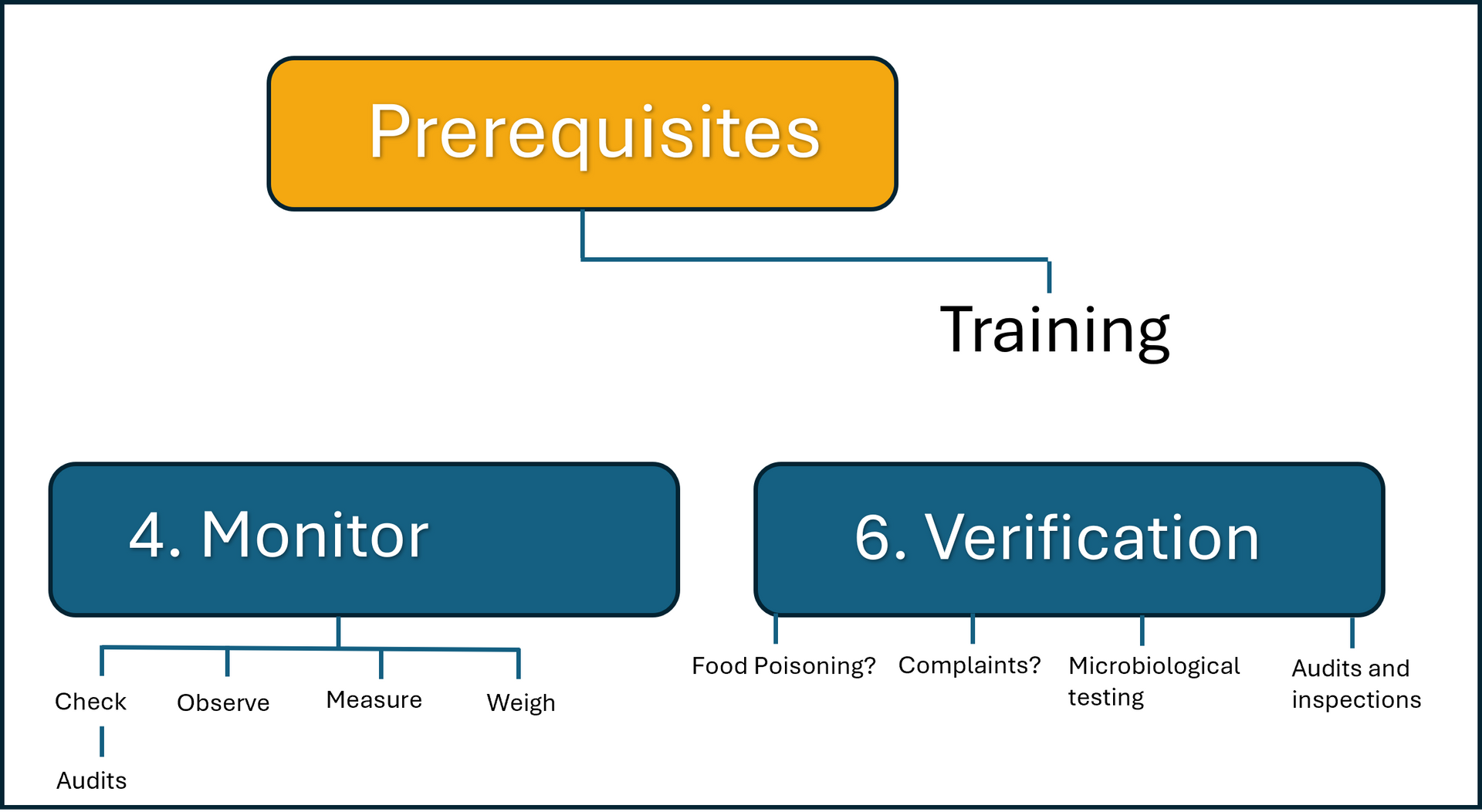
Certainly, for my Level Four Food Safety delegates, I think this is an interesting point to consider.  The picture illustrates how it fits into the overall structure of my courses, and for those revising right now, this is a useful reminder of temperature ranges for Listeria and Bacillus Cereus.


by Nick Dore Hygienie 22 February 2026
This week I’ve read about the Availability Heuristic, with information taken from The Decision Lab.com. I’ve then tried to relate this information to safety. The availability heuristic is a mental shortcut that allows us to make choices easier and faster. We base decisions on information that comes easily to mind, rather than objective analysis of facts. For example, people may overestimate the dangers of plane crashes, shark attacks, and rare diseases if there have been recent events, vividly reported on the news. In some respects, it’s important that we do easily recall major events associated with safety. Knowledge of these incidents and help change attitudes and improve culture. The main danger, as I see it, is when memorable events aren’t easily recalled. This can lead us to underestimating the danger. For example, in food safety, we might not easily recall food poisoning outbreaks related to long, slow cooking. This might lead us to underestimate the danger, take short cuts, and not follow the correct procedures. The effect is increased when we, personally have not experienced such an incident. Recent, positive, memorable events can also result in overconfidence. For example, a recent Five rating and glowing praise from EHO can can result in overconfidence, and lessen focus on the standards that brought us the reward. This is closely related to over confidence bias, where subjective confidence in our abilities is greater than objective evidence. Often illustrated by the fact around 44% of UK marriages end in divorce, but most newly weds would estimate the likelihood of divorce for them to be around 0%. The ‘availability short cut’ is deeply ingrained and largely necessary. When starting a car journey, it’s not feasible to analyse every factor of our forthcoming journey to evaluate the risk. Being aware that car accidents do occur is sufficient to focus our attention on driving safely. As with most bias I’ve read about, it’s difficult to avoid. Even being aware of its existence doesn’t necessary mean we can overcome its dangers. In addition, as noted above, the knowledge of risks and consequences of mistakes can help drive improvements. Perhaps as a food safety and health and safety trainer I should use case studies and real-life examples to illustrate route cause failings, rather than specific subjects. For example, if I describe an horrific incident involving a deep fat fryer, learners are likely to easily recall the dangers of hot oil. They’re perhaps less likely to recall the dangers of taking shortcuts (for example not allowing enough time for the oil to cool). However, taking short cuts can equally result in accidents involving chemicals, working at height, or many aspects of food safety. I’m not in any way an expert in psychology, I’m just interested in how it relates to safety. Through my company I provide food safety and health and safety training at levels three and four. More information is available on my website Hygienie.org
by Nick Dore 17 February 2026
Authority bias is our tendency to be influenced by authority figures. A 1960’s experiment had members of the public (volunteers) ask questions to people hidden behind a screen. Those answering the questions were played by actors. Under the guidance of authority figures, the volunteers administered an electric shock for every wrong answer. The actors would cry out in pain, and so far as the volunteers were concerned, the pain was real. Under instruction, the current was increased for every wrong answer, some exceeding a level that would be fatal. I know a city centre restaurant where someone from head office arrived unannounced one weekend to monitor the sites performance. By Monday morning they had gained access to the safe and the takings. At no point did anyone challenge their authority, or check they were from head office. Many will have experienced the frustration of having their work suggestion dismissed…. Only for later, a senior manager make the same suggestion and having it adopted. If a group decision is to be made, the decision will usually reflect the opinions of the most senior manager in the room. Our tendency is to focus on the messenger rather than the message. There are positive aspects to authority bias. During a global pandemic it helps that millions of people will follow the advice of authority figures. Of course, some people will lean in the opposite direction and have a distrust of all authoritarian advice. This can result in conspiracy theories, particularly is someone with authority, an ‘expert’ encourages the distrust. Most people would advocate a balance. For example, to follow professional advice, but where possible, to fact check and seek alternative opinions. Which brings us to safety. Employees must follow safety policies and food safety management systems. Environmental health officers’ documented actions on inspection reports must be completed. However, when EHO’s recommend soaking cloths (for wiping down surfaces) in a bleach solution, it’s reasonable to consider alternative methods. If EHO’s insist food must be cooled to below 8°C in 90 minutes you might question is this is feasible. When a safety officer insists you wear a hard hat, they must be worn. Although on one course a delegate, who was ex forces told me that on manoeuvres they camouflaged vehicles with netting. During this task they were made to remove army helmets and replace with construction hard hats. Of course, I’ve no way of fact checking this. I do recall one company who, for years had been using the wrong chemical to disinfect surfaces. If an employee identifies such mistakes, it’s good they question rather than blindly follow. Unfortunately, whether these concerns are heard may depend on whether they’re an officer, senior manager, or perceived to be an expert. (PS, I’m not an expert in any of the above, I’m just interested in the subject) The original source of this material was an article in ‘thedecisionlab.com’
by Nick Dore 17 February 2026
I’m continuing to read and consider how aspects of psychology might be relevant to safety. This week, I was reading about Attention bias. This is where our attention might be biased towards certain elements in our environment, whilst ignoring others. It’s like ‘zooming in’ on certain information which renders us blind to other factors. The implications for safety audits and checks are clear. If we have a pet hate (like, oh, I don’t know, people putting things other than food on chopping boards; car keys, glasses, delivery notes and such) we might focus on this and miss other contraventions. There are wider concerns for management such as ignoring someone for promotion because we’re focussed on their weaknesses whilst ignoring strengths and potential. Or focussing on one measurement of an employee’s productivity. It’s possible to ruin work and personal relationships by focussing on a specific flaw. The tendency to focus on the negative can also be detriment to our own mental health. There are several factors that can bias our attention. External events such as the past performance of an individual, emotional stimuli such as anger, and internal states such as hunger (which can bias our attention towards donuts and chocolate). Avoiding attention bias is difficult. Our brains have a limited capacity of focus, and a mental shortcut such as this helps maintain cognitive efficiency. In some circumstances it helps to avoid stimuli. So, when giving up smoking, our habit might be linked to a cup of tea. When drinking a cup of tea, the stimulus focuses our attention on cigarettes, and it’s hard to stop thinking about having a smoke. I’m not sure if this is relevant to safety. And in some ways, attention bias is a useful trait in safety. There are evolutionary reasons for the bias. Those early humans more aware of dangers in their environment were more likely to survive and pass on their genes. Being aware of hazards is clearly a good thing in safety. I also considered this bias in terms of how we can influence others. For example, if a manager is angry or confrontational with an EHO, there may be a strong tendency for the EHO to focus on negative information. Conversely, if we’re calm, confident and welcoming, others are more likely to focus on positive information about us. The original source of this material was an article in ‘thedecisionlab.com’ I claim no expertise in psychology; I am just keen to learn more. I train food safety and health and safety to levels three and four. Through my website, Hygienie.org I offer online and live streaming courses to individuals and businesses.
by Nick Dore Hygienie 28 September 2025
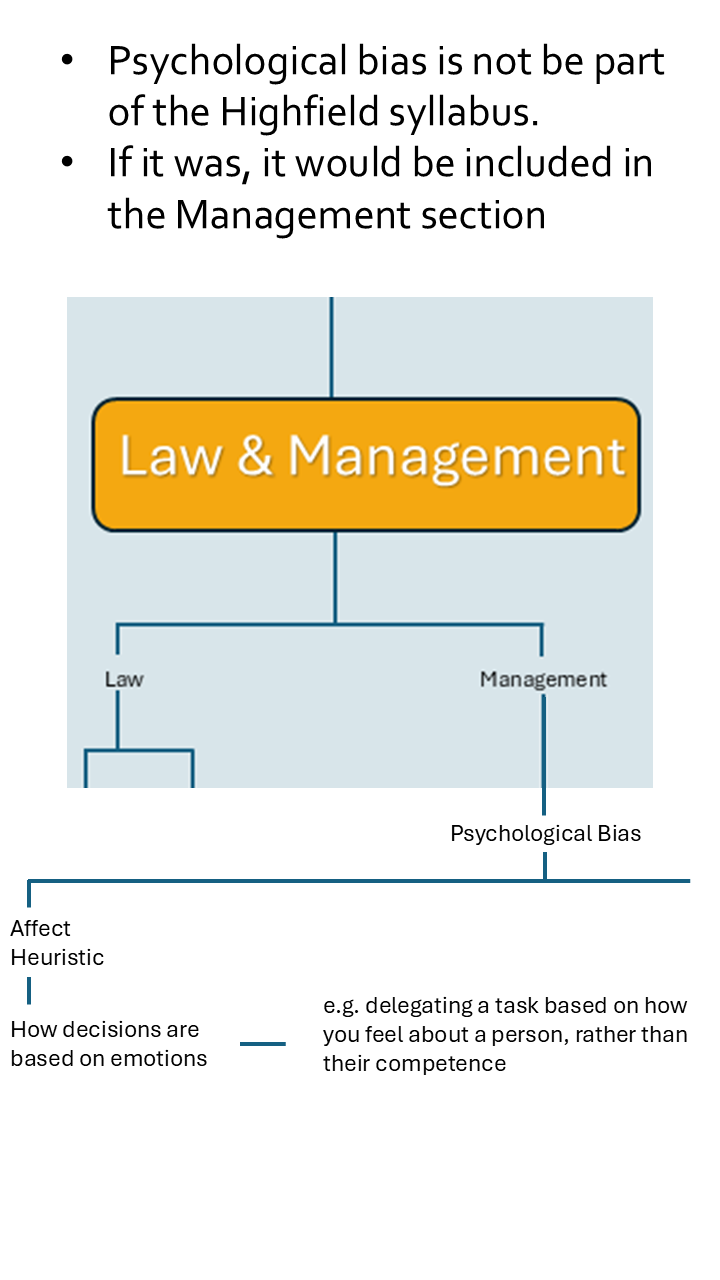
Affect Heuristic
by Nick Dore Hygienie 24 September 2025
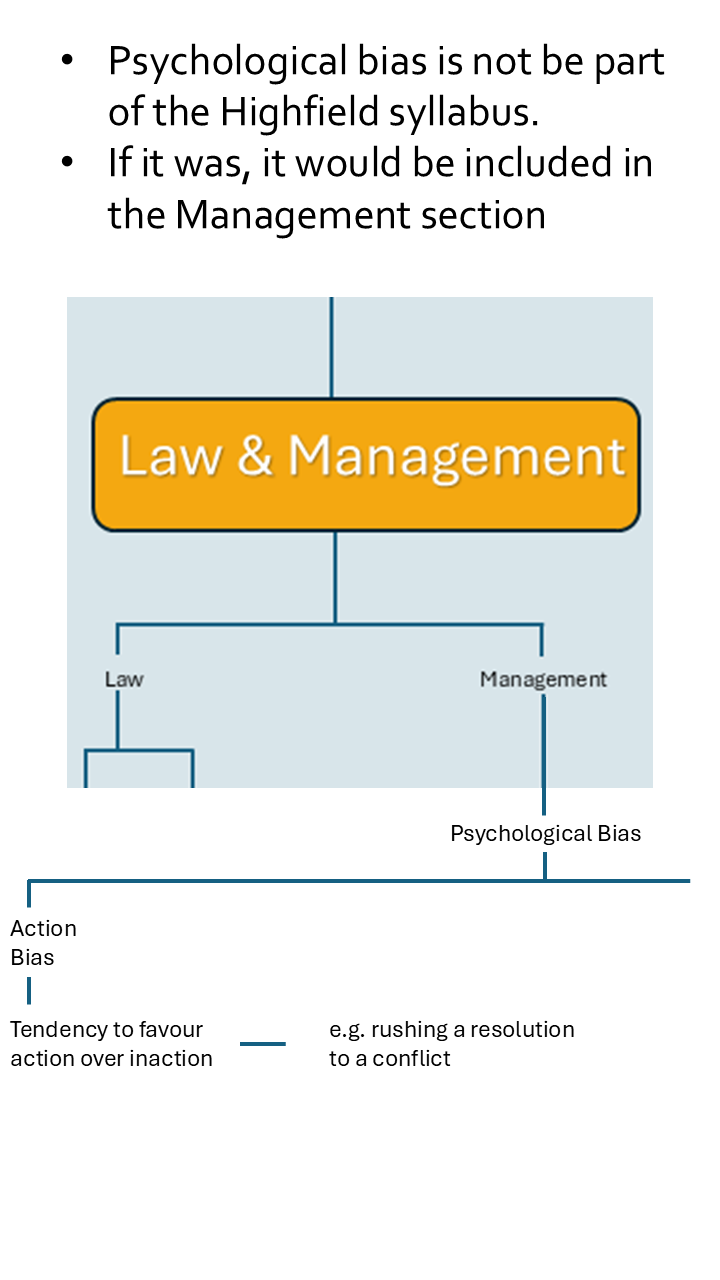
The danger of doing something rather than nothing
by Nick Dore 24 August 2025
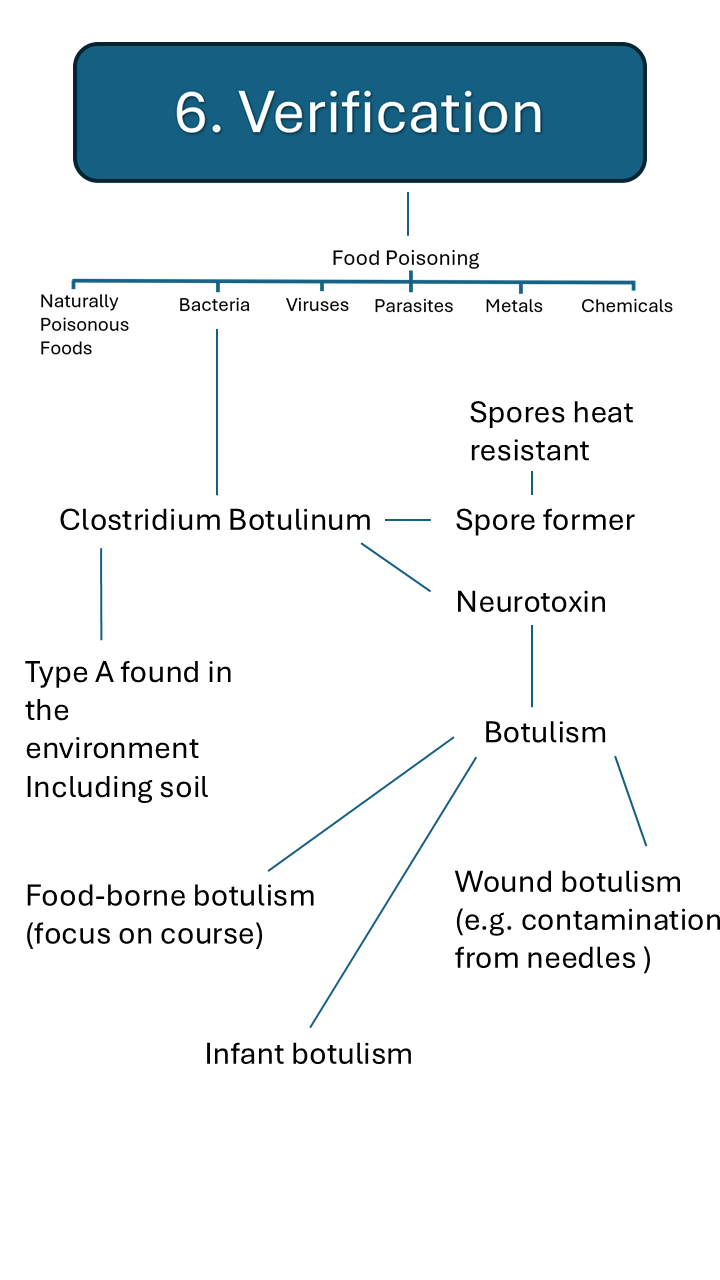
Clostridium Botulinum
by Nick Dore Hygienie Ltd 3 August 2025
The importance of monitoring and verification
by Nick Dore Hygienie Ltd 12 February 2022
And how to estimate your EHO score for yourself
by Nick Dore Hygienie Ltd 7 November 2021
Understand the difference between validation and verification
by Nick Dore Hygienie Ltd 18 October 2021
In this article we’ll examine the various types of food poisoning associated with eating fish.